

How can circular economy projects move from bold ideas to investable, market-tested solutions? Over the past three years, the RESOURCE project set out to answer this question by co-creating a practical support methodology combining tailored coaching, financial and investment readiness, as well as technical and environmental expertise. The goal was to design a hands-on framework that could adapt to the needs of circular ventures and guide them toward scalable impact.
From Concept to Framework: Building the Methodology
The process began with a comprehensive mapping of over 100 circular economy support programmes across Europe and beyond. RESOURCE then benchmarked these best practices against the real needs of its pilot projects in Aragón. This work led to the identification of five key support pillars: capacity building, technical assistance, investment readiness, policy alignment, and lean project management.
The methodology was not developed in isolation. More than 30 members of the EU|BIC network contributed to its evolution by sharing programme designs, toolkits, and advisory templates. Using a mix of business assessment tools, environmental and lifecycle analysis, and investment readiness checklists, RESOURCE tailored a support structure grounded in reality. This iterative, network-driven approach ensured that the methodology reflected both the diversity of the circular economy landscape and the practical constraints faced by entrepreneurs.
The Importance of the Network
At the heart of RESOURCE’s success lies the strength of the EU|BIC community, Europe’s largest network of certified business and innovation centres, counting over 140 members. This network provided not only geographical reach but also deep technical, financial, and sectoral expertise. Thanks to this structure, RESOURCE was able to mobilise experienced mentors, investment experts, and innovation advisors across Europe to get feedback on the methodology in a collaborative setting. The contribution of these certified EU|BICs ensured that the resulting tools are grounded, scalable, and adaptable to different regional contexts.
Spotlight at EBN Congress 2025
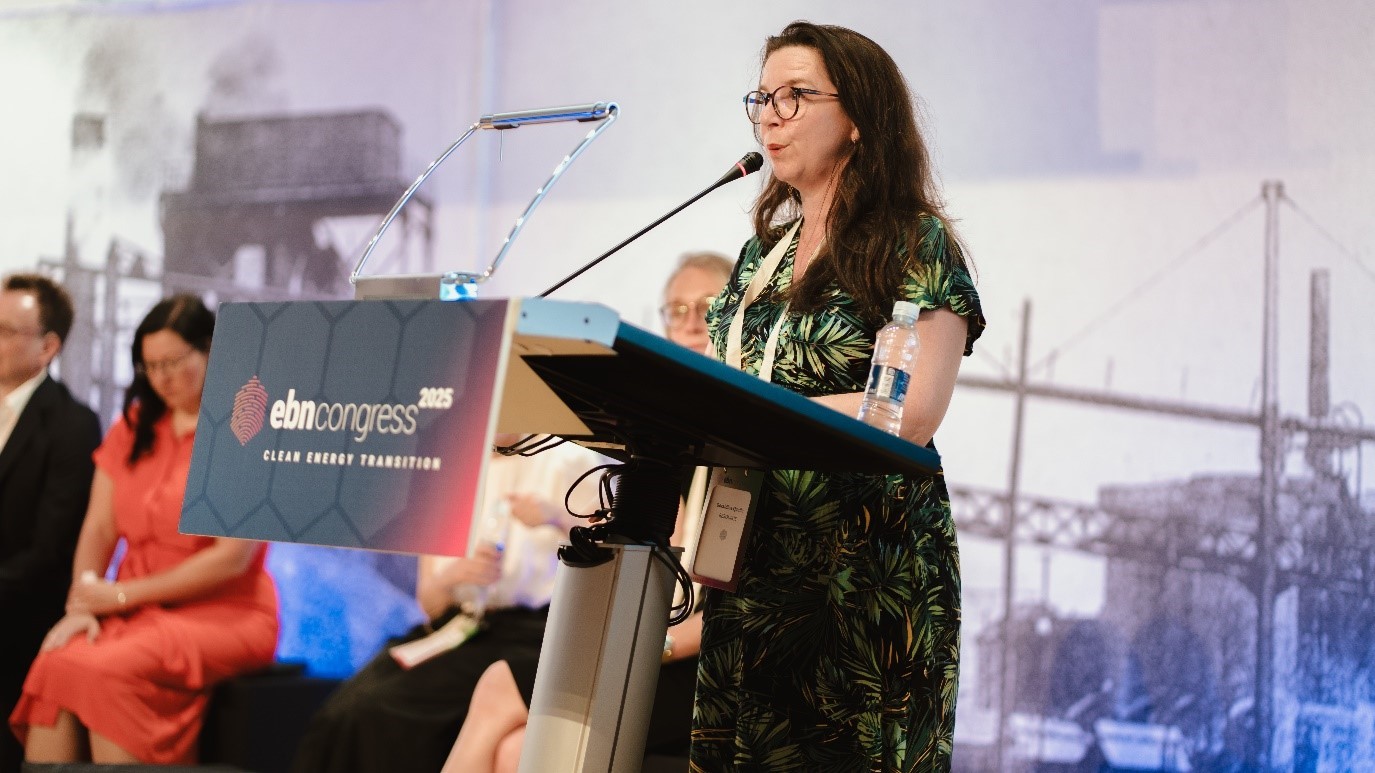
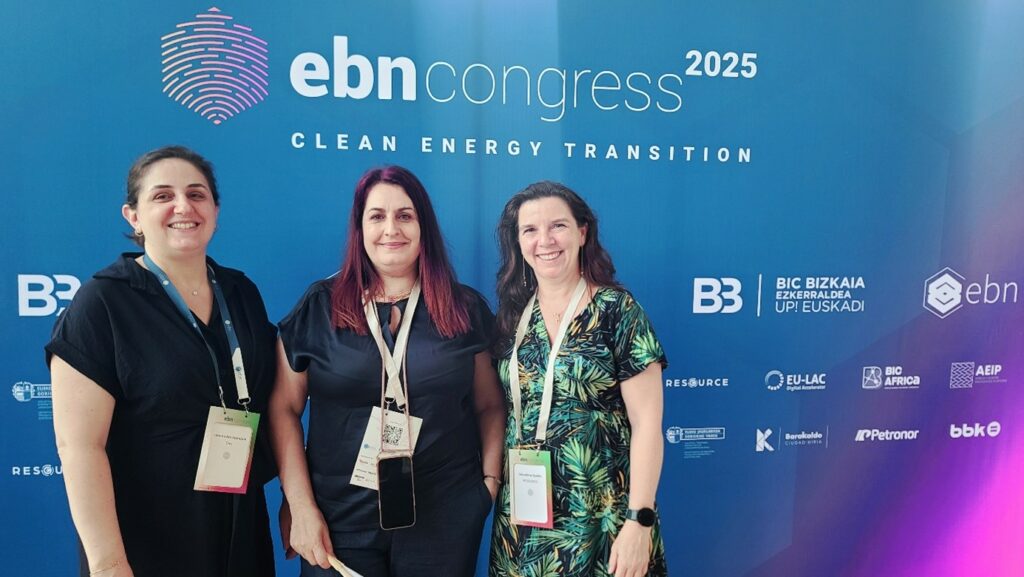
The methodology took centre stage at the EBN Congress 2025 in Bilbao, where it was featured in a dedicated session as part of the EU|BIC Excellence Award Ceremony. Its presentation drew significant attention, with more than 15 EU|BICs expressing interest in exploring how the methodology could be adapted or implemented in their own programmes. This strong response confirmed the framework’s relevance across sectors and countries, and its potential to inspire a new generation of support mechanisms for circular innovation.
Looking Ahead: EBN Impact Report & Endorsement Drive
To support wider adoption, the RESOURCE methodology and key lessons will be featured in the upcoming EBN Impact Report (July 2025). This will provide EU|BIC members and external partners with a comprehensive overview of the tools, case examples, and strategic takeaways developed throughout the project. Following the report’s release, EBN will host one-on-one meetings with interested organisations to explore local piloting opportunities, discuss adaptations, and lay the groundwork for possible collaboration.
Join the Next Wave
If your organisation supports circular economy innovators or plans to, now is the time to engage. Endorsing the RESOURCE methodology means gaining access to a validated, peer-developed approach that helps translate circular ambitions into investable, real-world impact. Interested stakeholders are invited to contact https://resource-invest.eu/contact/ to schedule an exploratory call.